





Why Book Direct?
- Best Price/ Rate Guarantee
- Flexi Check-In & Check-Out
- Flexi Amendment & Cancellation Policies
- Offers on F&B, Laundry & Spa
- Room Upgrade (Subject to Availability)
- Exclusive Benefits on Experiences and Special Amenities
- Surprises Gifts on your Birthdays and Anniversaries
Leisure Hotels – Experience the finest hospitality
Explore Our Luxury Hotels, Resorts, Camps & Bungalows in Exciting Destinations
+91 95 5508 8000 | Reservation & Queries


SPIRITUALITY & UTTARAKHAND
Spirituality has a ubiquitous bearing on the existence of humanity. Uttarakhand is the home to two of India's most sacred rivers - the Ganga and the Yamuna. Around these rivers and the lofty peaks of Garhwal mythology and tradition has evolved.
READ MORE
READ MORE

SAFARIS
Uttarakhand, a state in the sub-Himalayan geographical belt and has its unique ecological characteristics. With its towering, ancient trees, enchanting chorus of forest birds, gurgling rivers and herds of gentle chital, this is an experience beyond belief.
READ MORE

EXPLORE BEST OF UTTARAKHAND
Uttarakhand offers some of the best adventure activities like trekking, river rafting, skiing, hiking & rock climbing. Soft adventures for families and beginners can also be organized. Explore the city of adventure!
READ MORE
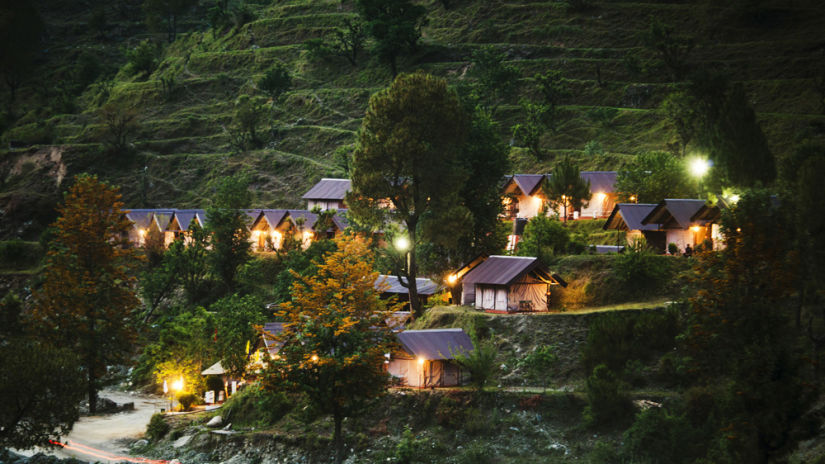
EXPLORE CHARDHAM
Revered as one of the most sacred pilgrimages in the world, this venture is fuelled by devotion and yearn for sheer spirituality.
Standing proud and aware of its majesty, the four heavenly abodes are reachable to not the strongest or fittest, youngest or oldest, but perhaps to the most enduring.
Char Dham yatra comprising of Yamunotri, Gangotri, Kedarnath & Badrinath is the road to salvation for a Hindu.
READ MORE



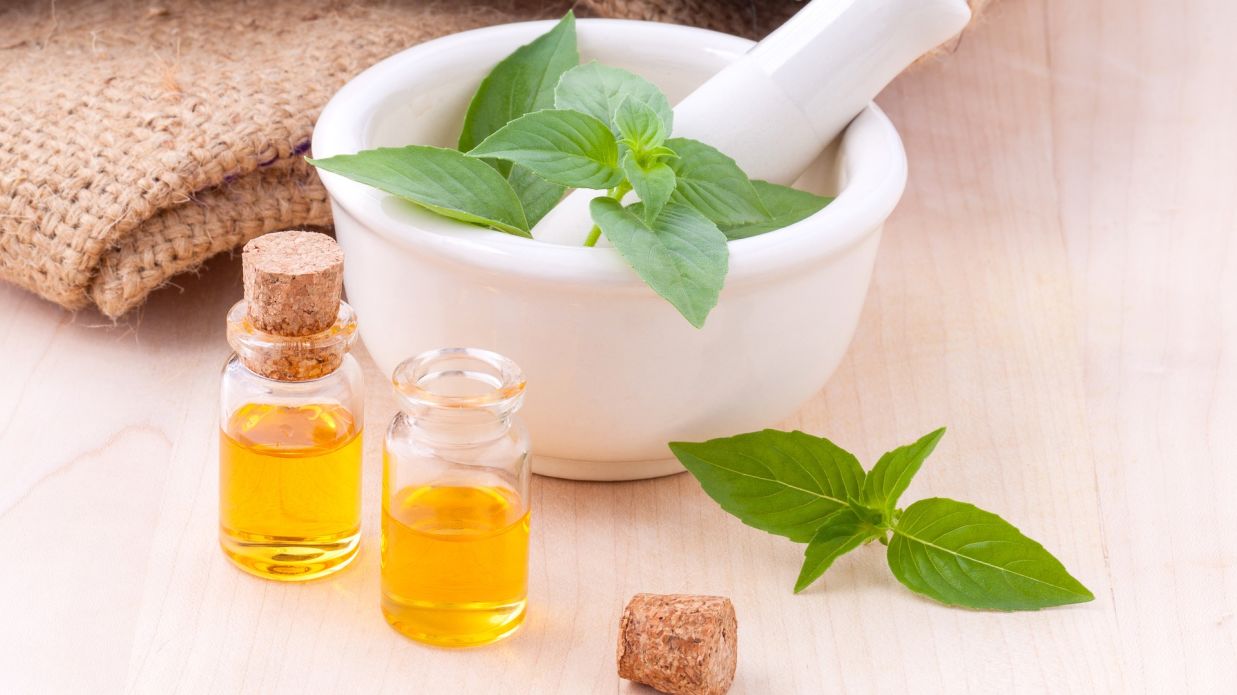
At Leisure Hotels, experience the most Authentic Ayurvedic therapies like shirodhara and abhyangam, yoga and meditation bring about a total harmony of the mind, body and soul and traverse you to the world of the inner self.
They revive psychic energies and show the way to a healthier life.
The spa and wellness treatments are oriented to soothe your spirits, using a range of holistic therapies and massages in the midst of exquisitely green surroundings. Our trained and expert therapists bring to you the very best of therapeutic treatments, effectively combining Oriental and Western practices.
 |  |  |  |  |  |  | |
 |  |  |  |  |  |  | |
 |  |  |  |  |  |  | |
 |